What Is a Cold Drawn Tube? Process, Properties, and Applications Explained
Sep 01, 2025
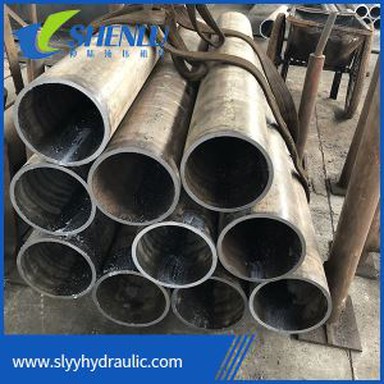
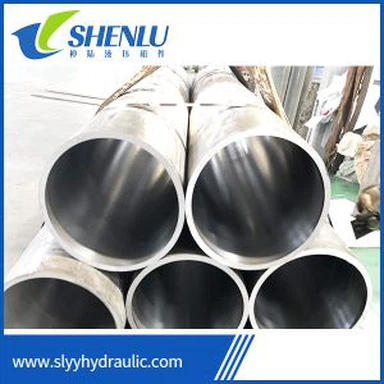
A cold drawn tube is a type of precision steel tube manufactured through a controlled drawing process at room temperature. Unlike hot rolled tubes, cold drawn tubing offers superior dimensional accuracy, a smooth surface finish, and enhanced mechanical properties. These advantages make it a preferred material for industries that demand high performance and reliability.
---
The Cold Drawing Process
The production of a cold drawn tube typically involves several key stages:
1. Preparation of Raw Material – A hot rolled seamless tube or welded tube is selected as the starting material.
2. Pickling & Cleaning – The surface is cleaned chemically to remove scale, rust, and impurities, ensuring proper adhesion during drawing.
3. Cold Drawing – The tube is drawn through a die and mandrel at room temperature. This reduces the diameter, wall thickness, and improves surface quality.
4. Annealing – Heat treatment may be applied to relieve internal stresses and restore ductility.
5. Finishing & Inspection – Tubes are straightened, cut to length, tested for dimensional accuracy, and inspected for defects before packaging.
This process refines the structure of the steel, making cold drawn tubing more uniform, stronger, and better suited for demanding applications.
---
Key Properties of Cold Drawn Tubes
Cold drawn tubes stand out due to their unique set of properties:
High Dimensional Accuracy – Tighter tolerances compared to hot rolled tubes.
Smooth Surface Finish – Ideal for applications requiring low friction and precision.
Increased Strength & Hardness – The cold working process improves yield and tensile strength.
Better Machinability – Consistent microstructure allows for easier machining and welding.
Corrosion Resistance (with alloy selection) – Options such as stainless cold drawn tubes offer enhanced resistance in harsh environments.
---
Applications of Cold Drawn Tubes
Thanks to their reliability and versatility, cold drawn tubes are widely used across multiple industries:
Automotive Industry – For drive shafts, steering components, and precision engine parts.
Hydraulic & Pneumatic Systems – Used as hydraulic cylinder tubes due to high strength and smooth bore surfaces.
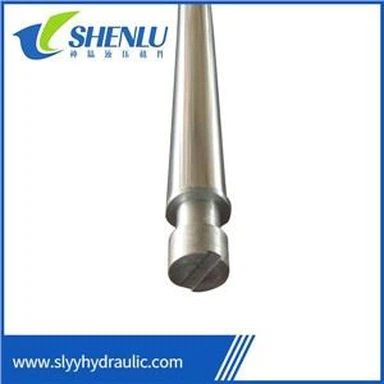
Mechanical Engineering – Shafts, rollers, and machine components.
Energy Sector – Boiler tubes, heat exchangers, and power plant equipment.
Construction & Infrastructure – Structural elements requiring strength and accuracy.
---
Advantages Over Hot Rolled Tubes
Compared to hot rolled alternatives, cold drawn tubing offers:
Closer tolerances – Essential for precision engineering.
Better mechanical performance – Higher tensile strength and load-bearing capacity.
Improved surface quality – Reduces wear and improves sealing in hydraulic applications.
---
Conclusion
A cold drawn tube is not just a refined version of a steel tube-it is a high-performance material engineered to meet strict industrial requirements. Its combination of dimensional precision, enhanced mechanical properties, and broad application range makes it indispensable in sectors like automotive, hydraulics, energy, and manufacturing.
If your project requires reliable and custom-engineered tubing solutions, cold drawn tubes are a proven choice for long-term performance.