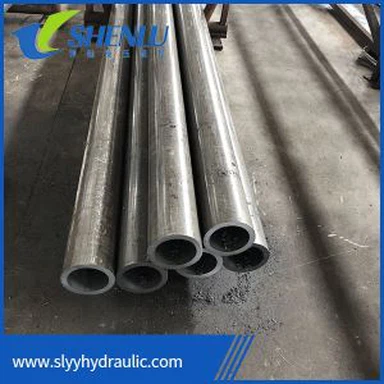
The Ultimate Guide to Piston Rods: Material Selection, Hardness Requirements, and Chrome Plating
Oct 16, 2025
The piston rod is a critical component in hydraulic and pneumatic cylinders, directly affecting performance, durability, and efficiency. Selecting the right material, ensuring proper hardness, and applying advanced surface treatments like chrome plating are essential steps to guarantee long-term reliability. This guide provides a comprehensive overview for engineers, manufacturers, and maintenance professionals.
---
1. Material Selection for Piston Rods
Choosing the right material determines the rod's strength, corrosion resistance, and fatigue life. Common options include:
High-Carbon Steel
Economical and widely available.
Suitable for general-purpose hydraulic applications.
Can be heat-treated for improved strength.
Alloy Steel
Provides higher tensile strength and toughness.
Ideal for heavy-duty and high-pressure applications.
Stainless Steel
Excellent corrosion resistance for marine, chemical, and food-grade systems.
Offers long-term durability in harsh environments.
Tip: Always match material selection with operating conditions-pressure, temperature, and exposure to corrosive fluids.
---
2. Hardness Requirements
Proper hardness ensures the piston rod can withstand mechanical stress without excessive wear or deformation:
Core Hardness – The internal steel should be tough enough to absorb load and resist bending.
Surface Hardness – Chrome-plated layers usually reach 55–65 HRC, providing wear resistance while maintaining ductility.
Balanced Hardness – Avoid over-hardening, which can make the rod brittle and prone to cracking.
Maintaining the right hardness ensures smooth operation and long cylinder life.
---
3. Chrome Plating and Surface Treatment
Surface treatment is critical for protecting the piston rod and ensuring efficient hydraulic operation:
Hard Chrome Plating
Provides corrosion resistance and excellent wear protection.
Reduces friction between the piston rod and seals.
Nickel or Nickel-Chrome Plating
Alternative coatings for additional corrosion resistance and surface toughness.
Surface Roughness
Typical Ra value: 0.2–0.4 μm.
Smooth surface ensures tight sealing, prevents leakage, and prolongs seal life.
---
4. Applications of Piston Rods
Hydraulic cylinders in construction machinery, forklifts, and agricultural equipment.
Pneumatic actuators in automation and industrial machinery.
High-pressure industrial presses and precision tools.
Marine and aerospace hydraulic systems requiring corrosion resistance and durability.
---
A high-quality piston rod is the backbone of any hydraulic or pneumatic system. Careful material selection, proper hardness control, and precise chrome plating ensure superior performance, longer service life, and reliable operation. Choosing the right piston rod protects both your equipment and investment.