

What is the difference between seamless and welded carbon steel pipes?
Oct 09, 2026
Carbon steel pipes are widely used in various industries due to their excellent strength, durability, and cost - effectiveness. Among them, seamless and welded carbon steel pipes are two common types, each with its unique characteristics. As a supplier of welded carbon steel pipes, I'd like to delve into the differences between these two types of pipes to help you make more informed decisions in your procurement process.
Manufacturing Process
The most fundamental difference between seamless and welded carbon steel pipes lies in their manufacturing processes.
Seamless Carbon Steel Pipes: Seamless pipes are produced through a hot - rolling process. A solid steel billet is heated to a high temperature and then pierced through the center using a mandrel. This creates a hollow tube without any seams. This continuous grain structure along the length of the pipe provides excellent integrity and uniformity. For example, seamless pipes are often used in applications where high - pressure resistance is required, such as in oil and gas pipelines in harsh offshore environments [1].
Welded Carbon Steel Pipes: Welded pipes, on the other hand, are made by rolling a steel plate or strip into a tubular shape and then welding the edges together. There are different welding methods, including Electric Resistance Welding (ERW), Submerged Arc Welding (SAW), etc. ERW is commonly used for smaller - diameter pipes, while SAW is suitable for larger - diameter and thicker - walled pipes. As a welded carbon steel pipe supplier, I can attest that the welding process allows for greater flexibility in terms of pipe size and length customization [2].
Structural Integrity
The structural integrity of seamless and welded pipes is also different, which directly impacts their performance in different applications.
Seamless Carbon Steel Pipes: The absence of a weld seam gives seamless pipes a more consistent and homogeneous structure. This makes them highly resistant to internal and external stresses, making them ideal for high - pressure applications. They can better withstand the pressure exerted by fluids or gases flowing through them without the risk of seam failure.
Welded Carbon Steel Pipes: Although modern welding techniques have greatly improved the quality of welded joints, the weld seam remains a potential weak point. However, with proper inspection and quality control, welded pipes can still meet the requirements of many applications. For instance, in water supply systems, where the pressure is relatively low, welded carbon steel pipes are a cost - effective choice.
Cost
Cost is an important factor when considering the use of seamless or welded carbon steel pipes.
Seamless Carbon Steel Pipes: The manufacturing process of seamless pipes is more complex and requires more specialized equipment. This results in higher production costs, which are then passed on to the consumers. Seamless pipes are generally more expensive than welded pipes, especially for large - diameter and thick - walled pipes.
Welded Carbon Steel Pipes: As a welded carbon steel pipe supplier, I can offer more competitive prices. The manufacturing process of welded pipes is relatively simpler and more efficient, which allows for cost savings. This makes welded pipes a popular choice for projects with budget constraints, such as some general - purpose industrial applications and building construction.
Size and Wall Thickness
The range of available sizes and wall thicknesses also differs between seamless and welded carbon steel pipes.

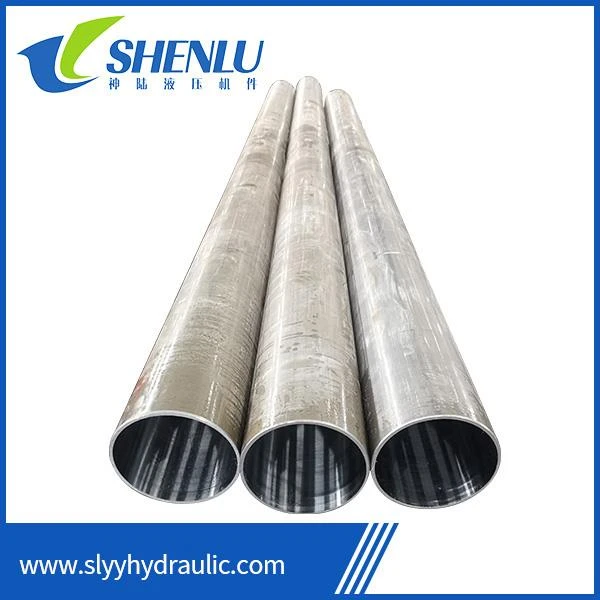
Seamless Carbon Steel Pipes: Seamless pipes typically have limitations in terms of the maximum available size. Producing large - diameter seamless pipes is technically challenging and costly. However, they can offer a wider range of wall thickness options, especially for smaller - diameter pipes.
Welded Carbon Steel Pipes: Welded pipes can be produced in a wider range of diameters, from small to very large. They are also suitable for applications where specific length requirements need to be met. For example, in the construction of large - scale industrial plants, welded pipes can be fabricated to the exact lengths needed on - site.
Applications
The characteristics of seamless and welded carbon steel pipes determine their suitability for different applications.
Seamless Carbon Steel Pipes: Owing to their high - pressure resistance and excellent structural integrity, seamless pipes are commonly used in industries such as oil and gas exploration and transportation, power generation, and aerospace. For example, in high - pressure hydraulic systems of heavy machinery, seamless pipes ensure reliable operation.
Welded Carbon Steel Pipes: Welded pipes are widely used in general - purpose applications where cost - effectiveness is a key consideration. They are frequently used in water and sewage systems, structural applications in buildings, and low - pressure industrial pipelines. As a supplier, I've seen many construction companies choosing our welded carbon steel pipes for their building projects.
Conclusion
In conclusion, seamless and welded carbon steel pipes have distinct differences in terms of manufacturing process, structural integrity, cost, size, and applications. While seamless pipes offer superior performance in high - pressure and critical applications, welded pipes are more cost - effective and versatile in terms of size and customization.
As a supplier of welded carbon steel pipes, I understand the unique requirements of different industries. Our welded pipes are manufactured with high - quality materials and strict quality control measures to ensure reliable performance. Whether you need pipes for a water supply system, a building structure, or a low - pressure industrial pipeline, our products can meet your needs.
If you are in the market for carbon steel pipes and would like to discuss your specific requirements, please feel free to contact us for more information. We are committed to providing you with the best solutions and excellent customer service.