

Can Hydraulic Honed Tubes be used in extreme temperatures?
Jul 12, 2026
Can Hydraulic Honed Tubes be used in extreme temperatures?
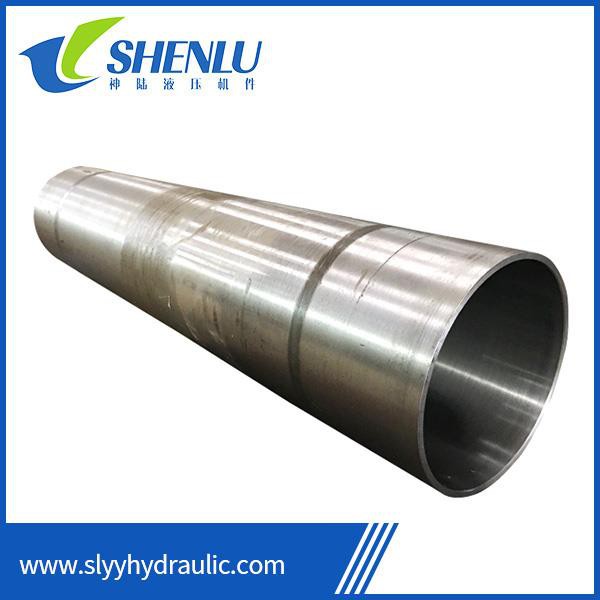

As a supplier of hydraulic honed tubes, I often get asked about the performance of our products under extreme temperature conditions. Extreme temperatures can have a significant impact on the functionality and durability of hydraulic honed tubes, and understanding these effects is crucial for ensuring their proper use in various applications.
Understanding Hydraulic Honed Tubes
Hydraulic honed tubes are precision-engineered components used in hydraulic cylinders, which are essential in a wide range of industries, including construction, manufacturing, and automotive. These tubes are characterized by their smooth inner surface finish, which is achieved through a honing process. This smooth surface reduces friction, improves the sealing performance of the hydraulic system, and enhances the overall efficiency of the cylinder.
Our company offers a variety of hydraulic honed tubes, including Hydraulic Cylinder Tubes, Air Cylinder Honed Tubes, and Skived and Roller Burnished Tubes. Each type of tube is designed to meet specific requirements and applications, providing our customers with a comprehensive solution for their hydraulic needs.
Effects of Extreme Temperatures on Hydraulic Honed Tubes
Extreme temperatures, whether high or low, can pose challenges to the performance of hydraulic honed tubes. Let's take a closer look at how these temperature extremes can affect the tubes.
High Temperatures
- Material Expansion: When exposed to high temperatures, the metal in the hydraulic honed tubes expands. This expansion can lead to changes in the dimensions of the tube, which may affect the fit and function of the hydraulic cylinder. If the expansion is not properly accounted for, it can cause leaks, reduced efficiency, and even damage to the cylinder.
- Lubricant Breakdown: High temperatures can also cause the lubricant in the hydraulic system to break down. Lubricants are essential for reducing friction and wear between the moving parts of the cylinder. When the lubricant breaks down, it loses its effectiveness, leading to increased friction, heat generation, and potential damage to the tube and other components.
- Seal Degradation: The seals in the hydraulic cylinder are also affected by high temperatures. Seals are designed to prevent fluid leakage and maintain the pressure within the cylinder. At high temperatures, the seals can become brittle, lose their elasticity, and fail, resulting in leaks and reduced performance.
Low Temperatures
- Material Contraction: Just as high temperatures cause expansion, low temperatures cause the metal in the hydraulic honed tubes to contract. This contraction can lead to changes in the dimensions of the tube, which may affect the fit and function of the cylinder. If the contraction is not properly accounted for, it can cause the tube to crack or break, leading to system failure.
- Viscosity Increase: At low temperatures, the viscosity of the hydraulic fluid increases. This increased viscosity can make it more difficult for the fluid to flow through the system, reducing the efficiency of the cylinder. It can also cause the fluid to thicken and clog the system, leading to potential damage to the tube and other components.
- Brittleness: Low temperatures can also make the metal in the hydraulic honed tubes more brittle. This brittleness can increase the risk of cracking and breakage, especially under high stress or impact.
Mitigating the Effects of Extreme Temperatures
While extreme temperatures can pose challenges to the performance of hydraulic honed tubes, there are several strategies that can be employed to mitigate these effects.
Material Selection
- High-Temperature Alloys: For applications in high-temperature environments, it is important to select hydraulic honed tubes made from high-temperature alloys. These alloys are designed to withstand the effects of heat and maintain their mechanical properties at elevated temperatures.
- Cold-Resistant Materials: In low-temperature environments, it is important to select tubes made from cold-resistant materials. These materials are designed to maintain their flexibility and strength at low temperatures, reducing the risk of cracking and breakage.
Lubrication
- High-Temperature Lubricants: For applications in high-temperature environments, it is important to use high-temperature lubricants. These lubricants are designed to withstand the effects of heat and maintain their lubricating properties at elevated temperatures.
- Low-Temperature Lubricants: In low-temperature environments, it is important to use low-temperature lubricants. These lubricants are designed to maintain their fluidity and lubricating properties at low temperatures, reducing the risk of viscosity increase and clogging.
Insulation
- Thermal Insulation: In both high and low-temperature environments, thermal insulation can be used to protect the hydraulic honed tubes from the effects of temperature. Insulation can help to reduce heat transfer, maintain a more stable temperature within the system, and protect the tubes from damage.
Design Considerations
- Expansion and Contraction Allowance: When designing hydraulic systems for use in extreme temperature environments, it is important to allow for expansion and contraction of the tubes. This can be achieved through the use of expansion joints, flexible connections, and other design features that allow the tubes to expand and contract without causing damage to the system.
- Seal Design: The design of the seals in the hydraulic cylinder is also important for ensuring proper performance in extreme temperature environments. Seals should be designed to withstand the effects of temperature and maintain their sealing properties at both high and low temperatures.
Conclusion
In conclusion, hydraulic honed tubes can be used in extreme temperature environments, but it is important to take the necessary precautions to ensure their proper performance. By selecting the right materials, using appropriate lubricants, providing insulation, and considering design factors, it is possible to mitigate the effects of extreme temperatures and ensure the long-term reliability of the hydraulic system.
If you are interested in learning more about our hydraulic honed tubes and how they can be used in extreme temperature applications, please feel free to contact us. Our team of experts is available to answer your questions and provide you with the information you need to make an informed decision.